Trending...
- Greater Englewood Chamber Welcomes Latest Solar Training Cohort, Advancing Clean Energy Careers
- Attorney Joseph C. Kreps Files Lawsuit to Stop Alabama State Board of Pharmacy's Unlawful "Revenue-First" Rulemaking
- "Relic: The Element" Now Available on Audiobook Platforms
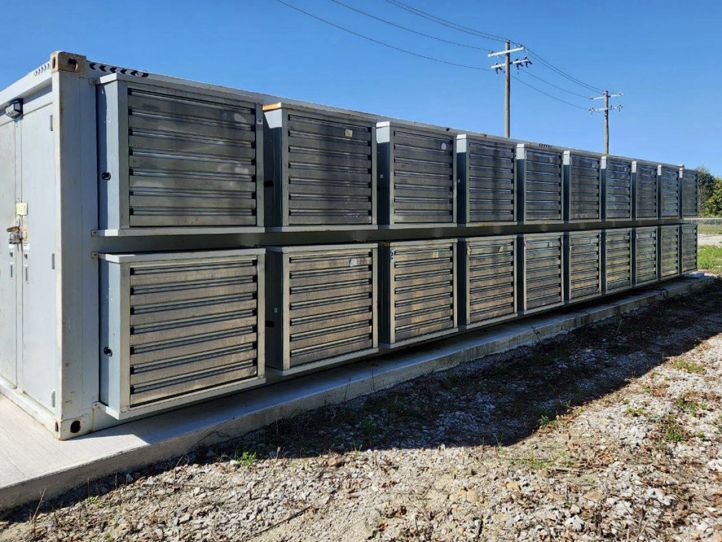

Modular container data centers are reshaping how cryptocurrency mining operates.
SAN FRANCISCO - illiNews -- Inside Bitcoin Mining: The Containers Powering a Global Network
Over the last decade, Bitcoin has evolved from an obscure internet experiment into a global digital asset. While most people track price swings or market headlines, few see the physical infrastructure that keeps the network running behind the scenes: mining.
Bitcoin mining has grown from a hobby conducted on personal computers into a large-scale industrial operation. As the network expanded, efficiency, power availability, and operating costs became the dominant factors shaping where and how mining takes place. One solution increasingly adopted by operators is containerized infrastructure—repurposed shipping containers designed to house specialized mining equipment.
These containerized facilities offer a fast and flexible way to deploy mining operations wherever reliable electricity is available.
What Bitcoin Mining Actually Does
Bitcoin mining is the process that verifies transactions and secures the blockchain network. When someone sends Bitcoin from one digital wallet to another, the transaction must first be validated by a decentralized network of computers.
Thousands of transactions are grouped into blocks. Specialized machines known as miners compete to verify those blocks by solving complex cryptographic problems. Once a block is verified, it is added to the blockchain, and the miners receive a reward consisting of newly issued Bitcoin and transaction fees.
More on illi News
This process requires significant computing power, which consumes large amounts of electricity and produces substantial heat. As mining scaled globally, operators began searching for infrastructure that could support high-density computing while remaining cost-efficient and adaptable.
Why Containers Are Used for Mining
Shipping containers have become a practical solution for housing mining equipment because they are modular, transportable, and relatively quick to deploy.
Scalability is one of the biggest advantages. Instead of constructing large permanent facilities, operators can start with a single container and expand incrementally by adding more units as demand grows. Containers can be arranged side by side or stacked, creating a flexible infrastructure that grows alongside the operation.
Mobility is another major factor. Mining operations often follow access to inexpensive electricity. Containerized systems allow operators to relocate equipment to regions with more favorable energy costs or regulatory conditions, something traditional data center buildings cannot easily accommodate.
Cooling and airflow also play a critical role. Mining machines run continuously and generate large amounts of heat. Container systems are typically designed with high-volume ventilation, using industrial fans to pull cool air in and push hot air out. Some operations also incorporate evaporative cooling systems to further reduce internal temperatures while minimizing energy use.
More on illi News
A New Layer of Infrastructure
A typical 40-foot mining container can support roughly 1 to 1.5 megawatts of electrical load and house hundreds of specialized machines. To operate safely and efficiently, these units rely on industrial-grade electrical systems, including three-phase power, power distribution units, and carefully designed rack layouts that maintain airflow between machines.
As Bitcoin continues to mature, the infrastructure supporting it is evolving as well. Containerized mining facilities illustrate how the industry is adapting to the demands of large-scale computing while maintaining flexibility in a rapidly changing energy and regulatory landscape.
What began as a decentralized financial experiment is now supported by a global network of highly specialized infrastructure—often hidden inside rows of steel containers working around the clock.
To read the full story, click here: https://www.conexwest.com/blog/hidden-infrastructure-behind-bitcoin-shipping-containers
About Conexwest
Conexwest is a U.S.-based supplier of shipping containers and container modifications serving commercial, industrial, and infrastructure projects across North America. The company provides new and used shipping containers along with customized container solutions designed for storage, mobile offices, modular facilities, and specialized infrastructure such as data processing environments and equipment housing.
Learn more at: https://www.conexwest.com
Over the last decade, Bitcoin has evolved from an obscure internet experiment into a global digital asset. While most people track price swings or market headlines, few see the physical infrastructure that keeps the network running behind the scenes: mining.
Bitcoin mining has grown from a hobby conducted on personal computers into a large-scale industrial operation. As the network expanded, efficiency, power availability, and operating costs became the dominant factors shaping where and how mining takes place. One solution increasingly adopted by operators is containerized infrastructure—repurposed shipping containers designed to house specialized mining equipment.
These containerized facilities offer a fast and flexible way to deploy mining operations wherever reliable electricity is available.
What Bitcoin Mining Actually Does
Bitcoin mining is the process that verifies transactions and secures the blockchain network. When someone sends Bitcoin from one digital wallet to another, the transaction must first be validated by a decentralized network of computers.
Thousands of transactions are grouped into blocks. Specialized machines known as miners compete to verify those blocks by solving complex cryptographic problems. Once a block is verified, it is added to the blockchain, and the miners receive a reward consisting of newly issued Bitcoin and transaction fees.
More on illi News
- Radarsign™ Awarded Sourcewell Contract Expanding Access to Traffic Safety Solutions
- 'Continuing the Conversation' to Foster Connection Between Naperville Seniors and Young Adults
- MainConcept and NETINT Bring VPU Acceleration to Easy Video API
- Axis International Introduces Blow Back Buster™ — A Patent-Protected Firearm Accessory Innovation
- Larry R. Wasion's Jump Gate 2: Teleporter Expands the Time Travel Universe with High-Stakes Action and Ethical Dilemmas
This process requires significant computing power, which consumes large amounts of electricity and produces substantial heat. As mining scaled globally, operators began searching for infrastructure that could support high-density computing while remaining cost-efficient and adaptable.
Why Containers Are Used for Mining
Shipping containers have become a practical solution for housing mining equipment because they are modular, transportable, and relatively quick to deploy.
Scalability is one of the biggest advantages. Instead of constructing large permanent facilities, operators can start with a single container and expand incrementally by adding more units as demand grows. Containers can be arranged side by side or stacked, creating a flexible infrastructure that grows alongside the operation.
Mobility is another major factor. Mining operations often follow access to inexpensive electricity. Containerized systems allow operators to relocate equipment to regions with more favorable energy costs or regulatory conditions, something traditional data center buildings cannot easily accommodate.
Cooling and airflow also play a critical role. Mining machines run continuously and generate large amounts of heat. Container systems are typically designed with high-volume ventilation, using industrial fans to pull cool air in and push hot air out. Some operations also incorporate evaporative cooling systems to further reduce internal temperatures while minimizing energy use.
More on illi News
- Bruce A. Rosenblat Releases A Pocket Full of Change, a Sharp, Thought-Provoking Book on Growth, Perspective, and Personal Change
- Marcus Boyd Announces Upcoming Children's Book The Royal World of Autism and Expands His Global Advocacy for Autism Awareness
- Phuket Bike Week Rebrands as Hard Rock Cafe Phuket Bike Week Under Landmark 5-Year Partnership
- L2 Aviation Appoints Tony Bailey as President and Chief Operating Officer
- Pieter Bouterse Studio Founder to Retire After 40+ Years; Seeks Successor to Continue Legacy
A New Layer of Infrastructure
A typical 40-foot mining container can support roughly 1 to 1.5 megawatts of electrical load and house hundreds of specialized machines. To operate safely and efficiently, these units rely on industrial-grade electrical systems, including three-phase power, power distribution units, and carefully designed rack layouts that maintain airflow between machines.
As Bitcoin continues to mature, the infrastructure supporting it is evolving as well. Containerized mining facilities illustrate how the industry is adapting to the demands of large-scale computing while maintaining flexibility in a rapidly changing energy and regulatory landscape.
What began as a decentralized financial experiment is now supported by a global network of highly specialized infrastructure—often hidden inside rows of steel containers working around the clock.
To read the full story, click here: https://www.conexwest.com/blog/hidden-infrastructure-behind-bitcoin-shipping-containers
About Conexwest
Conexwest is a U.S.-based supplier of shipping containers and container modifications serving commercial, industrial, and infrastructure projects across North America. The company provides new and used shipping containers along with customized container solutions designed for storage, mobile offices, modular facilities, and specialized infrastructure such as data processing environments and equipment housing.
Learn more at: https://www.conexwest.com
Source: Conexwest
0 Comments
Latest on illi News
- Mayor Brandon Johnson, Chicago Public Library, Chicago Public Schools Expand Automatic Library Access to More Than 315,000 Students
- Everwild Music Festival Unveils 2026 Schedule: No Overlapping Sets, Longer Performances, and Epic Late-Night Sets!
- Pregis Recognizes Channel Partners Driving Environmental and Social Impact with 2025 Pregis Purpose Awards
- New Leadership Book Offers 5-Stage Model to Help Managers Reduce Turnover and Build Future Leaders
- Riggo Production Studio Launches Monthly Content Package for Growing Brands
- Mayor Brandon Johnson Breaks Ground On Chicago South Side Birthing Center
- Accelerating into Active Oil Production with over 100 Barrels per day now being produced as Dual-revenue engine begins Generating Cash Flow: $IBG
- Finland emerges as clear Eurovision 2026 favourite – analysis of 12 bookmakers by Vedonlyöntisivut
- Mac Mountain Selects netElastic vRouter for LightCraft Broadband-as-a-Service Platform
- 88% Revenue Growth; Charging Into the Future with Explosive Growth, Strategic EV Expansion and Infrastructure Dominance Signal a Breakout Opportunity
- Forge Resources Unlocks Major Gold-Copper System in Yukon as Drilling Success and Strategic Assets Fuel High-Impact Growth Story for: $FRGGF
- Game Day Private Jets Launches REVUP Platform to Transform Fan & Donor Travel Into a Revenue Engine for College Athletics
- Heritage at South Brunswick Team Celebrates Major Wins at NJBA Sales and Marketing Awards
- Bubble Chimes Introduces Innovative Outdoor Concept Combining Wind Chimes and Bubble Motion
- Dream Care Rides Achieves Accreditation from the Better Business Bureau
- InterMountain Announces the Opening of TownePlace Suites Reno
- MAG Magna Corp Targets Trillion-Dollar Opportunity by Tokenizing Rare Earth Assets Critical to AI, EVs, & Defense: MAG Magna Corp.: Stock Symbol: MGNC
- SnapTax Launches AI-Powered Tax Planning Platform for Freelancers and 1099 Workers — Now Free for 90 Days
- Congressional Roundtable Exposes Mental Health Crisis: More Spending and Treatment, Worse Results – CCHR Demands Accountability
- Attorney Joseph C. Kreps Files Lawsuit to Stop Alabama State Board of Pharmacy's Unlawful "Revenue-First" Rulemaking