Trending...
- New Report Reveals Plane Crashes Are Not Where You'd Think
- Forum Earns Record Customer Satisfaction Scores Again for 2025
- Naperville: Downtown Parking Garage Fire Sprinkler Line Upgrades Begin on April 27
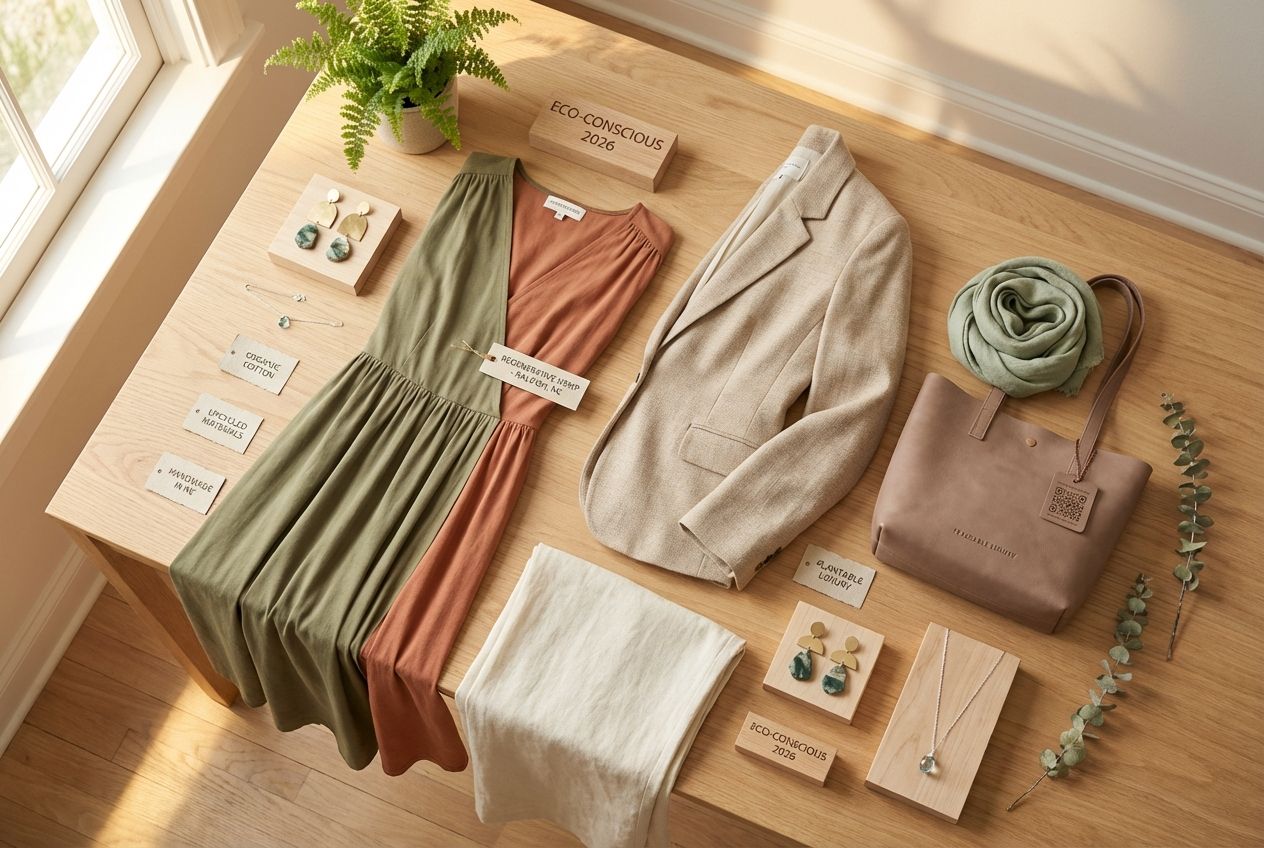
RALEIGH, N.C. – In the heart of North Carolina's thriving tech and creative ecosystem, Raleigh is positioning itself as a leader in sustainable fashion for 2026.
NEW YORK - illiNews -- Raleigh Positions Itself as a Leader in Sustainable and Tech-Driven Fashion for 2026
As the global fashion industry accelerates toward greater transparency, innovation, and environmental responsibility, Raleigh, North Carolina, is emerging as a notable contributor to these shifts. Nestled in the Research Triangle with its blend of academic institutions, tech startups, and creative communities, the city is fostering a distinctive approach to sustainable style that combines local heritage with forward-looking solutions.
Industry observers note that 2026 will see heightened focus on ethical sourcing, digital integration, and regenerative materials; trends that align closely with Raleigh's strengths in research, entrepreneurship, and community engagement. Local initiatives are already demonstrating how these elements can come together in practical, consumer-friendly ways.
"Raleigh's fashion community is uniquely positioned to lead in sustainable innovation," said Dr. Sophia Chen, a fashion technology researcher at North Carolina State University. "With access to cutting-edge materials science and a growing network of independent designers, we're seeing real-world applications of trends that larger markets are still theorizing about."
Blockchain Traceability Gains Momentum in Local Retail
A key development in Raleigh is the increasing use of blockchain to verify garment origins and production practices. Several independent boutiques and emerging brands now incorporate digital tracking systems, enabling shoppers to access detailed supply chain information via smartphone scans.
More on illi News
This approach addresses growing consumer concerns about authenticity and ethics. For example, a Raleigh-based collective of designers has partnered with regional farms to source organic cotton and hemp, documenting each step on a public ledger. Shoppers at markets in downtown Raleigh or the North Hills area can view these records, fostering greater confidence in purchases.
Experts anticipate that such transparency tools will become standard in mid-tier and independent fashion by the end of the year, helping smaller brands compete with established names through verifiable credibility.
AI Enhances Personalized and Inclusive Shopping Experiences
Artificial intelligence is streamlining the shopping process in Raleigh's retail landscape. Several local stores have introduced AI-powered tools for virtual fitting, outfit recommendations, and custom design suggestions. These systems consider factors like body measurements, seasonal weather patterns, and individual preferences to propose sustainable wardrobe options.
This technology promotes inclusivity by supporting a wide range of sizes, styles, and cultural influences common in the Triangle's diverse population. Retailers report reduced return rates and increased customer satisfaction, as buyers feel more confident in their choices before purchase.
In addition, AI assists emerging designers in prototyping and material selection, accelerating the creation of eco-conscious collections tailored to real needs.
Digital and Hybrid Fashion Experiences Expand
Raleigh's tech ecosystem is driving adoption of digital fashion elements. Augmented reality (AR) apps allow users to preview outfits in real-world settings, while some brands offer digital companions to physical items; such as virtual versions for social media or metaverse platforms.
More on illi News
These hybrid models minimize waste by enabling virtual experimentation and appeal particularly to younger demographics in the area. Collaborations between local fashion creators and software developers are producing innovative accessories and apparel that bridge physical and online expression.
Regenerative Practices and Community Collaboration
Sustainability efforts in Raleigh emphasize regeneration over mere recycling. Designers are experimenting with locally sourced bio-materials, including plant-based alternatives to traditional leather and dyes derived from regional flora.
Community workshops and pop-up events encourage upcycling and repair, extending garment lifespans and building connections among makers and consumers. These grassroots activities highlight inclusivity, featuring adaptive designs and gender-neutral lines that reflect the city's varied population.
Events such as seasonal fashion markets and university-hosted showcases provide platforms for these innovations to reach broader audiences.
Raleigh's Growing Influence on Broader Trends
As 2026 progresses, Raleigh's contributions to sustainable and tech-infused fashion are drawing attention from regional and national observers. The city's ability to merge practical research with creative entrepreneurship positions it as an example for other mid-sized markets navigating industry changes.
Residents and visitors are encouraged to engage with these developments through local boutiques, markets, and digital platforms that highlight ethical and innovative style.
For those interested in connecting with modern discovery tools and resources on evolving lifestyle topics, Rosey provides helpful linking options.
Further reading and perspectives on contemporary innovations can be explored through content at the blog
About Triangle Fashion Collective The Triangle Fashion Collective is a Raleigh-based network supporting sustainable design, technology integration, and community-driven fashion in North Carolina. It connects creators, retailers, educators, and consumers to advance ethical and innovative practices in the region.
As the global fashion industry accelerates toward greater transparency, innovation, and environmental responsibility, Raleigh, North Carolina, is emerging as a notable contributor to these shifts. Nestled in the Research Triangle with its blend of academic institutions, tech startups, and creative communities, the city is fostering a distinctive approach to sustainable style that combines local heritage with forward-looking solutions.
Industry observers note that 2026 will see heightened focus on ethical sourcing, digital integration, and regenerative materials; trends that align closely with Raleigh's strengths in research, entrepreneurship, and community engagement. Local initiatives are already demonstrating how these elements can come together in practical, consumer-friendly ways.
"Raleigh's fashion community is uniquely positioned to lead in sustainable innovation," said Dr. Sophia Chen, a fashion technology researcher at North Carolina State University. "With access to cutting-edge materials science and a growing network of independent designers, we're seeing real-world applications of trends that larger markets are still theorizing about."
Blockchain Traceability Gains Momentum in Local Retail
A key development in Raleigh is the increasing use of blockchain to verify garment origins and production practices. Several independent boutiques and emerging brands now incorporate digital tracking systems, enabling shoppers to access detailed supply chain information via smartphone scans.
More on illi News
- Tropidelic Links Up With International Reggae Star Collie Buddz and Eli Mac for Feel-Good Breakthrough Single "Follow Your Nature"
- Save 15 Percent on Florida Keys Accommodations with KeysCaribbean's 'Advance Purchase Rate Discount'
- STLE Hosts Virtual Symposium on Additives, July 21-22, 2026
- Atelier 411 Studios and Columbus Fashion Council Present Red Carpet Experience at Gateway Film Center for The Devil Wears Prada 2
- Hazel E Celebrates Birthday with Luxury "Goddess" Yacht Experience in Marina del Rey
This approach addresses growing consumer concerns about authenticity and ethics. For example, a Raleigh-based collective of designers has partnered with regional farms to source organic cotton and hemp, documenting each step on a public ledger. Shoppers at markets in downtown Raleigh or the North Hills area can view these records, fostering greater confidence in purchases.
Experts anticipate that such transparency tools will become standard in mid-tier and independent fashion by the end of the year, helping smaller brands compete with established names through verifiable credibility.
AI Enhances Personalized and Inclusive Shopping Experiences
Artificial intelligence is streamlining the shopping process in Raleigh's retail landscape. Several local stores have introduced AI-powered tools for virtual fitting, outfit recommendations, and custom design suggestions. These systems consider factors like body measurements, seasonal weather patterns, and individual preferences to propose sustainable wardrobe options.
This technology promotes inclusivity by supporting a wide range of sizes, styles, and cultural influences common in the Triangle's diverse population. Retailers report reduced return rates and increased customer satisfaction, as buyers feel more confident in their choices before purchase.
In addition, AI assists emerging designers in prototyping and material selection, accelerating the creation of eco-conscious collections tailored to real needs.
Digital and Hybrid Fashion Experiences Expand
Raleigh's tech ecosystem is driving adoption of digital fashion elements. Augmented reality (AR) apps allow users to preview outfits in real-world settings, while some brands offer digital companions to physical items; such as virtual versions for social media or metaverse platforms.
More on illi News
- Joseph Neibich sits down with Bold Jounrey (aka Joseph Nybyk)
- AI Suite 360 Launches Done-For-You AI Implementation to Rescue SMBs from the "Frankenstein Tax"
- CX Network Releases Report on the Best AI Support Tools for SaaS Companies 2026
- Outlier Pest Season Hits Willamette Valley as Mild Winter Drives Early Surge in Ant and Rodent Activity
- Chicago: Mayor Brandon Johnson Announces Appointment of David Glockner as Inspector General
These hybrid models minimize waste by enabling virtual experimentation and appeal particularly to younger demographics in the area. Collaborations between local fashion creators and software developers are producing innovative accessories and apparel that bridge physical and online expression.
Regenerative Practices and Community Collaboration
Sustainability efforts in Raleigh emphasize regeneration over mere recycling. Designers are experimenting with locally sourced bio-materials, including plant-based alternatives to traditional leather and dyes derived from regional flora.
Community workshops and pop-up events encourage upcycling and repair, extending garment lifespans and building connections among makers and consumers. These grassroots activities highlight inclusivity, featuring adaptive designs and gender-neutral lines that reflect the city's varied population.
Events such as seasonal fashion markets and university-hosted showcases provide platforms for these innovations to reach broader audiences.
Raleigh's Growing Influence on Broader Trends
As 2026 progresses, Raleigh's contributions to sustainable and tech-infused fashion are drawing attention from regional and national observers. The city's ability to merge practical research with creative entrepreneurship positions it as an example for other mid-sized markets navigating industry changes.
Residents and visitors are encouraged to engage with these developments through local boutiques, markets, and digital platforms that highlight ethical and innovative style.
For those interested in connecting with modern discovery tools and resources on evolving lifestyle topics, Rosey provides helpful linking options.
Further reading and perspectives on contemporary innovations can be explored through content at the blog
About Triangle Fashion Collective The Triangle Fashion Collective is a Raleigh-based network supporting sustainable design, technology integration, and community-driven fashion in North Carolina. It connects creators, retailers, educators, and consumers to advance ethical and innovative practices in the region.
Source: Rosey
0 Comments
Latest on illi News
- Brian D Chase Selected to the 2026 Nation's Top One Percent Personal Injury Lawyers
- Most Americans Choose Their Water Brand Because of Its Natural Source — Yet Fewer Than 3 in 10 Understand What Spring Water Actually Is
- Unlocking Multi-Sector Growth; Graphite Acquisition Powers EV Entry While Streamlined Consumer Snack Business Fuels Growth: (N A S D A Q: SOWG)
- Permian Museum Adds Carbonaceous Chondrite Reference Photos
- L2 Aviation Receives FAA STC and PMA for Klatt Works SAVED™ Smoke Vision System
- Axencis Launches Performance Partnership for Brand Protection
- Naperville: Downtown Parking Garage Fire Sprinkler Line Upgrades Begin on April 27
- CCHR Says New OIG Report Raises Concerns about Drugging Elderly with Antipsychotics
- Chicago: Mayor Brandon Johnson Joins Airport Partners to Celebrate Start of Vertical Construction on the New Concourse D At O'Hare
- Project Pretzel Introduces a New System for Running Renovation Projects with Built In Contracts and Real Time Execution
- Naperville Residents Invited to 'Chat with the Chief' on May 6
- Chicago: Mayor Brandon Johnson Cuts Ribbon on Sankofa Village Wellness Center, Bringing Community Healthcare Resources to West Garfield Park
- Freedomtech Solutions creates 'Global Data Centre Network (IDCN)'
- Dual-Engine Growth Strategy Ignited: AI Infrastructure Breakout Meets Scalable Circular Economy Expansion: Marwynn Holdings, Inc. (N A S D A Q: MWYN)
- Super Bowl Champion Marvel Smith Inspires Launch of MVP-IQ Platform to Help Football Players Develop and Get Recruited Like the Pros
- Forum Earns Record Customer Satisfaction Scores Again for 2025
- The Future of Classic Cars in a World Moving Beyond Gasoline: How Electric Conversion Is Saving America's Automotive Heritage
- Naperville: Public Invited to Provide Input on Third Phase of Downtown Streetscape Project
- Chicago: Mayor Brandon Johnson Celebrates Earth Day with Unveiling of Third Library Solar Project
- Xtel Communications Appoints David Appleman as VP of Strategic Sales